


How to Choose the Best: A Comprehensive Guide
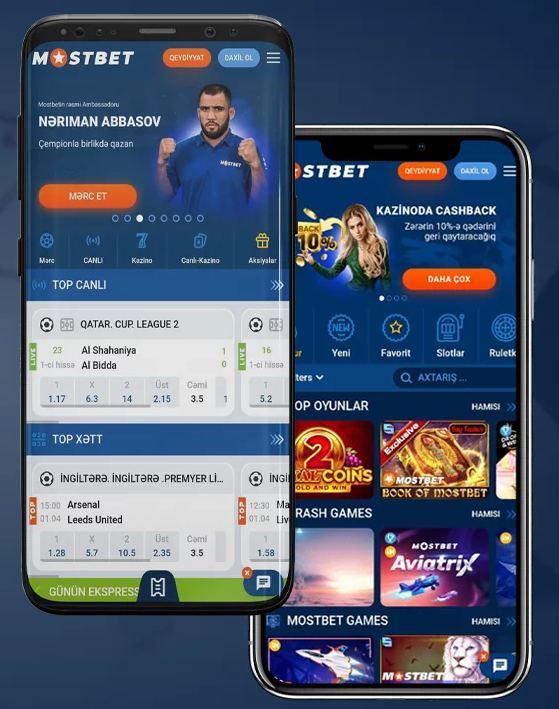
Making the right choice can often feel overwhelming, especially when faced with countless options available in today’s market. Whether it’s selecting the best products, services, or experiences, understanding the key factors can help simplify the decision-making process. This guide aims to provide you with effective strategies and tips on how to choose the best, helping you to navigate through options more confidently. Don’t forget to check out How to Choose the Best Online Gambling Site in Bangladesh Mostbet 3 for more insights.
Defining Your Needs
The first step to choosing the best is to clearly define your needs. Consider the following questions:
- What problem are you trying to solve?
- What are your priorities? (e.g., price, quality, convenience)
- Are there specific features or characteristics you are looking for?
Taking the time to understand your own needs will guide you through the process and ensure that you focus on the products or services that genuinely suit you.
Researching Options
Once you have a clear understanding of what you need, the next step is to research the options available to you. In today’s digital age, information is at your fingertips, making it easier than ever to compare products and services. Here are a few research methods to consider:
- Online reviews and ratings: Websites like Amazon, Yelp, or specialized review sites can provide insights into user experiences.
- Expert opinions: Look for expert reviews in magazines, blogs, or YouTube channels dedicated to your area of interest.
- Social media: Engage with communities on platforms like Facebook, Reddit, or Instagram to see what others recommend.
Conducting thorough research helps you narrow down your options and provides a broader perspective on what is available.
Comparing Options
With a list of potential choices in hand, it’s time to compare them side by side. This step is crucial in determining which option stands out as the best fit for you. Consider creating a comparison chart that includes:
- Price
- Features
- Warranty/guarantee information
- Customer service options
- Availability
By visually comparing options, you’ll be able to assess trade-offs more easily, leading to a more informed decision.
Considering the Long-term Impact
The best choice is not just about immediate gratification. It’s essential to consider the long-term impact of your decision. Ask yourself if the option you are considering will still meet your needs down the line. For example:
- Durability: Will it last? Is there any maintenance required?
- Scalability: Can you upgrade or expand in the future if needed?
- Return on investment: Will it save you money or add value over time?
Making a choice with the future in mind can save you headaches and expenses later on.
Asking for Recommendations
Sometimes, the best insights come from others who have already navigated similar decisions. Don’t hesitate to ask friends, family, or colleagues for their recommendations and experiences. It can provide a fresh perspective and even introduce you to options you may not have considered.

Trusting Your Instincts
After thorough research and comparison, trust your instincts. You possess a unique set of experiences and knowledge that can guide you in making the right choice. If something feels off or doesn’t align with your needs or values, it’s okay to steer clear of that option.
Final Decision Making
Once you’ve weighed all the options and considered various factors, it’s time to make your final decision. Make sure to:
- Review all your research
- Trust your instincts
- Reflect on your priorities
Taking a moment to reflect before making the decision can help solidify your confidence in the choice you’re about to make.
Post-Choice Evaluation
After making your choice, it’s beneficial to evaluate the outcome of your decision. Did it meet your expectations? Are you satisfied with your purchase or choice? This reflection can provide valuable insights for future decisions and improve your decision-making process over time.
Conclusion
Choosing the best option doesn’t have to be a daunting task. By clearly defining your needs, researching options, comparing them, and trusting your instincts, you can navigate choices with confidence. Remember that every decision contributes to your overall experience, so take the time to make choices that align with your values and needs. With practice and reflection, you’ll become a savvy decision-maker in no time!

