
They can opt for a treatment program because substance use disorders require medical supervision and professional treatment. The relationship between alcoholism and mental health issues has complex and intertwined links. To better understand this issue, it’s essential to recognize the connection between alcoholism and mental health and how it may affect your loved one. It’s understandable if you think that “chronic disease” and “alcoholism” are unrelated topics. People struggling with AUD may experience social isolation as their drinking behavior takes over relationships and social activities. This isolation can worsen feelings of shame and reinforce the stigma surrounding alcohol dependency.
Professional Treatment for Alcoholism
- After almost a decade of successful entrepreneurship and world traveling, he encountered a wave of personal and spiritual challenges; he felt a calling for something more.
- Thanks to AlcoholAwareness.org, I navigated the complexities of recovery with their practical advice and empathetic support, leading me to a stronger, sober future.
- As noted, most medical and mental health experts and organizations believe alcohol and drug addiction have complex etiologies underpinned by many factors.
- Environmental factors also play a significant role in the development of alcoholism.
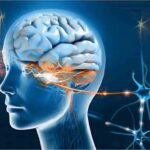
The progressive nature of alcoholism is deeply why is alcoholism considered a chronic disease rooted in its impact on the brain’s reward system and neural pathways. Prolonged alcohol use alters brain chemistry, particularly dopamine and GABA receptors, creating a cycle of craving and dependence. Over time, these changes become more entrenched, making it increasingly difficult for individuals to control their drinking behavior. This neurological adaptation parallels the progression of chronic diseases like heart disease, where prolonged exposure to risk factors (e.g., high blood pressure) leads to irreversible damage. Without intervention, the brain’s ability to function normally without alcohol diminishes, reinforcing the chronic and degenerative nature of AUD.

Factors Contributing to Chronicity
If this is true of yourself, these violations may have led you to experience a profound sense of shame, self-condemnation, and self-hatred. By selecting this checkbox and entering mobile number I agree to receive GR Support from Guardian Recovery Network Holdings LLC. To deliver SMS messages using an automatic dialing system and I understand that I am not required to opt in as a condition of purchasing any property, goods, or services. By leaving this box unchecked you will not be opted in for SMS messages at this time.
How Can Retention in Continuing Care Be Increased?
- The fact that alcohol consumption disorder is a chronic condition necessitates continuing care.
- Building a supportive network of sober friends and family members is crucial but requires time and effort.
- More research is needed to determine exactly why this is, but it is thought that certain genes are passed down through generations which can make you more susceptible to developing an addiction.
- However, other studies conducted in the United States have not confirmed these findings (COMBINE Research Group 2006).
- Drinking heavily over a long period can lead to chronic diseases and serious medical issues that significantly reduce both quality of life and life expectancy.
- The progressive nature of alcoholism highlights the critical need for early and sustained intervention, a principle central to managing chronic diseases.
Alcohol can have detrimental effects on the body, leading to chronic diseases. It can damage vital organs such as the liver and brain, disrupt the body’s nutrient balance, and weaken the immune system, making it more vulnerable to diseases. Consistent heavy drinking can cause irreversible damage, resulting in severe conditions such as liver disease or alcohol-related dementia. Behavioral therapy, including cognitive-behavioral therapy (CBT) and motivational interviewing, is crucial in treating alcohol dependency. These therapies target changing drinking behaviors, addressing underlying psychological factors, and developing coping strategies to prevent relapse.

- Individuals with alcoholism typically have a physical dependence on alcohol, experience withdrawal symptoms when not drinking, and require increasing amounts of alcohol to achieve the same effects.
- It’s a form of disease management meant to minimize symptoms and improve one’s health and long-term prognosis.
- While there is debate about whether alcoholism should be classified as a disease, with some arguing it is a social or psychological problem, the consensus among experts is that it is a disease.
- Alcoholism, or alcohol use disorder (AUD), is a chronic disease that manifests as a loss of control over drinking behaviour.
This includes regular check-ins with healthcare professionals, participation in support groups, and incorporating healthy coping mechanisms into daily life. The chronic relapsing nature of alcoholism can be attributed to several factors. Biological factors, such as changes in brain chemistry and genetic predispositions, contribute to alcoholism the vulnerability to alcohol dependence.