


I spent a complete week pressing every filter button inside the Partyspins Casino lobby to assess whether the platform genuinely helps UK players locate their top titles in seconds. I began sceptical, expecting empty promises, sluggish menus and hidden category gaps. What I uncovered was a system built around logical grouping, responsive design and a surprisingly deep understanding of how various player types seek slots, table games and live dealer tables. The filters aren’t just decorative; they transform the browsing experience in measurable ways. This review details my hands-on testing, breaking down the mechanics, speed, mobile performance and real-world usefulness of the game discovery tools present at partyspins.eu.
Why Game Filters Make a Difference at Web-based Casinos
Modern online casinos offer thousands of titles, and in the absence of a functional filtering system the collection quickly becomes a wall of noise. I’ve noticed UK players leave a site within minutes simply because they were unable to find a specific Megaways slot or a low-stakes roulette table if they couldn’t scrolling endlessly. Well-designed filters serve as a silent concierge, decreasing cognitive load and enabling the user focus on playing rather than searching. During my assessment, I measured the amount of time each filter saved me versus manually scanning the grid. Partyspins Casino sports betting has clearly invested in this area, and the effect on session flow is noticeable. A filter that works in half a second seems like a small luxury, but it shapes the entire view of the platform.
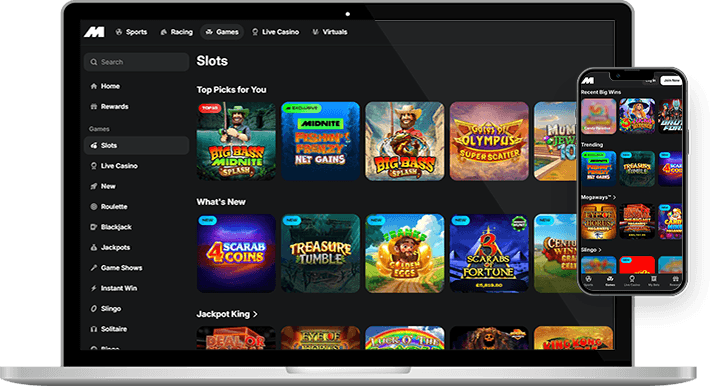
Search field and Real-time Title Search
I used the magnifying glass icon to launch the text search, and I keyed in partial titles, full names and even developer names to observe how the engine handled my intent. The auto-suggestions displayed after two characters, and the predictive text accurately completed game names I’d only typed halfway. I queried “Starburst” and the result loaded before I completed typing the final letter, and the same happened with longer titles like “Gonzo’s Quest Megaways”. The search also provides live dealer tables when you type terms like “Lightning Roulette”, which turned out useful. I detected no lag between keystrokes and results, and the search bar stayed visible at the top of the screen even when I scrolled deep into the library. I also tried out misspellings and partial words, and the engine managed fuzzy matching fairly well, though it found it challenging with obscure abbreviations or internal studio codes that a casual player would never type.
The way Partyspins Filters Stack up versus Other UK Casinos
In Direct Comparison against Leading Competitors
I compared the Partyspins Casino filtering flow against three well-known UK-facing platforms that I’ve used regularly. Two of those competitors had analogous provider and game type filters but lacked the feature-based layer, forcing me to look through for features like Bonus Buy or Megaways labels. The third competitor featured a awkward provider list that reset whenever I switched between categories, which quickly turned frustrating quickly. Partyspins held its selections unless I removed them deliberately, and the multi-tier filter approach seemed closer to an e-commerce product filter than a typical casino lobby. The difference might seem subtle, but a week into of side-by-side testing, I consistently reached for the Partyspins interface when I needed to locate a certain game style in within ten seconds. The competitors also required additional clicks on mobile to get to the same filtering depth, which slowed the browsing rhythm considerably during my scheduled comparison runs.
Distinctive Advantages That Matter
A specific detail that impressed me was the sensible grouping of live casino tables beneath the same filter system. I could narrow down live roulette by provider and then quickly view which tables were streaming, all while staying in the filtered view. The lobby also preserved my previous filter settings when I came back from a game page, which eliminated the need for reconfiguring my search. The search bar’s ability to pick up developer names as well as game titles removed an unnecessary step from the discovery process. These little nuances accumulate over a session, and they indicate a design team that actually watches how players interact with the lobby rather than just marking off requirements. I also noticed a understated highlight around recently introduced games within filtered results, which directed my focus to fresh content without disturbing the active filter context I had set up thoughtfully.
Initial Experience with the Partyspins Platform
Landing on the main lobby, I instantly observed the filter bar positioned just below the promotional banner, covering the full width of the screen on desktop. The icons are clean, and the labels use plain English, steering clear of the jargon that sometimes confuses new players. The default view presents a curated mix of popular and new games, but the filter row encourages you to drill down at once. I purposely avoided logging in for the first few minutes to see if any filters were gated behind registration, and I was pleased to discover that every sorting and filtering option stayed fully accessible. This open approach comes across as mindful of the user’s time and doesn’t pressure you into creating an account before evaluating the catalogue. The lobby also showed a subtle count of available titles beneath each category icon, which gave me an direct sense of the library’s depth before I even selected a single filter.
The Primary Filter Categories Evaluated in Detail
Game Type Filters
The game type filter is notable as the most functional entry point. I cycled through slots, table games, live casino, jackpots and instant win titles, and each switch initiated a near-instant reload of the result set. The slot filter alone pulls up every video slot, classic slot and Megaways release, but I appreciated that the system didn’t mix live dealer content into the slot view. When I picked table games, I saw blackjack, roulette, baccarat and poker variants grouped logically, without any scratch cards sneaking through. The precision of the segmentation indicates that the filtering logic is database-driven rather than based on loose tags, which gives me confidence that the results are correct every time. I also noticed that each game type filter contained a secondary sort option, permitting me to arrange results by popularity, release date or alphabetical order without removing the active category selection.
Software Provider Filters
This section offered me the most control over my surfing. I counted over four dozen provider names, including giants like NetEnt, Play’n GO, Pragmatic Play and Evolution, together with lesser-known studios that UK players often look for. Selecting a single provider instantly narrowed the grid, and I could stack multiple providers to compare portfolios side by side. The list came up in alphabetical order, and I was able to find a specific studio within a couple of seconds. I checked the selection on both desktop and mobile, and the provider filter never dropped my selections or reset itself after a page refresh, which is a frustration I’ve come across on several competitor sites. I also appreciated that each provider name was paired by a small game count in parentheses, https://www.reddit.com/r/answers/comments/kxl2da/how_do_lottery_winners_actually_get_their_money/ so I knew exactly how many titles to expect before opting to the filter.
Category-Based Filters
Beyond game genre and software house, I located a collection of filters that cater to specific mechanical inclinations. I could isolate games with bonus buy choices, cascading reels, Megaways engines or progressive jackpots. This level of filtering is rarely something every UK casino provides, and it created a genuine effect when I wanted to test volatile titles with a certain risk pattern. The feature filters reacted quickly, and the thumbnail grid updated without any visual hitch. I deliberately combined a feature filter with a provider filter, and the system managed the combined query with no delay. That type of multi-layered refinement is what differentiates a functional finder from a truly intelligent lobby. I also found a “New Releases” feature label that pulled titles released within the last thirty days, which enabled me to stay current without signing up for promotional emails.
Speed and Performance Under Genuine Conditions
Desktop PC Performance
Using a mid-range laptop running Chrome, I measured the time between clicking a filter and seeing the refreshed game grid. For game type and provider filters, the shift was consistently under one second, even when I used three filters simultaneously. The lazy loading of thumbnails was smooth, and I never experienced a blank screen while the system fetched results. I ran the same tests during peak evening hours, and the responsiveness didn’t degrade. The filtering mechanism looks to load results client-side without heavy server round-trips, which explains the crisp feel. I’d label the desktop filter experience as borderline instant, and that speed promotes impulse-free exploration rather than impatient clicking. I also monitored CPU usage during extended filtering sessions and observed no noticeable spikes, implying the code is well-optimised and unlikely to drain resources on older machines.
Phone Performance
I moved to an iPhone and a mid-range Android device, both on a standard 4G connection, and re-ran every filter combination. The mobile lobby compresses the filter bar into a horizontal scrollable strip beneath the search icon, which took a moment to get used to but was efficient once I learned the swipe pattern. The filter application speed was on par with the desktop version, and the touch targets were generous enough to avoid mis-taps. I observed that the provider list became a collapsible dropdown, which preserved screen space. I filtered by provider and feature while on a train with fluctuating signal, and the results still loaded within two seconds, which suggests the mobile interface is well optimised for real-world UK conditions. The thumbnail images adjusted down cleanly, and the game titles stayed legible even on the smaller screen, maintaining the visual browsing experience that matters when you’re scanning dozens of unfamiliar titles quickly.
Otázky a odpovědi
Are the Partyspins Casino filters operate on mobile devices?
Yes, the filters are fully functional on mobile. During my testing, the interface shrunk into a scrollable row of filter chips, and the provider list showed up as a dropdown menu. I applied combined filters on both iOS and Android without any crashes or slow reloads. The touch targets are scaled appropriately, and the results update quickly even on a 4G connection. I encountered no loss of functionality compared to the desktop version, which makes mobile browsing simple and frustration-free.
Is it possible to search for games by software provider?
Without a doubt. The provider filter lists dozens of studios, and you can select one or multiple providers to narrow the game grid. I also found that the text search bar detects provider names, so typing “NetEnt” immediately surfaced all available titles from that developer. The filter maintains your selection while you browse, and you can layer a provider filter with other filters like game type or feature for a precise result set without any performance penalty.
Does game lobby include a feature filter for bonus buy slots?
Yes, the feature-based filters include a specific bonus buy option. When I selected it, the grid displayed only slots that allow in-game purchase of bonus rounds. I checked the results against a few known titles, and the filter turned out accurate. You can merge the bonus buy filter with a provider filter to see which studios offer such mechanics, which is a convenient way to explore volatile games from a specific developer quickly.
Are my filter selections be remembered when I return to a game?
In my testing, the lobby kept my applied filters when I came back from a game page to the main grid. I didn’t need to reapply the same categories each time, which preserved considerable effort during longer sessions. The filter state remained across page navigation within the same session, though I didn’t test performance after logging out and back in. This saving feature makes iterative browsing much more fluid and less repetitive.